Concussion Clinic in Auckland
Concussion Clinic in Auckland
At Bodyworx, we understand that concussion isn’t just “a bump to the head.” It’s a whole-body event, one that can deeply affect how you feel, think, move and live, even if nothing shows up on a scan. Concussions are the most common type of brain injury and are often misunderstood or dismissed, especially when symptoms linger.
Despite being classified as a mild traumatic brain injury, there’s nothing mild about the way it can make you feel. Whether you were in a car accident, took a knock playing sport, or simply moved your head too quickly, the result can be the same: a disrupted nervous system, a fatigued brain, and a body that’s struggling to rebalance.
Common concussion symptoms
The symptoms are wide-ranging, and often don’t show up right away. They can include:
-
Dizziness and balance issues
-
Brain fog
-
Visual disturbances
-
Fatigue and sleep disruption
-
Speech difficulties
-
Emotional changes like anxiety or low mood
-
Sensitivity to light or sound
-
Memory lapses or slowed thinking
If that sounds like a lot, it’s because concussion impacts more than just the brain. It affects how multiple systems communicate with each other, from your vestibular system and vision to your spine and cardiovascular response.
The body needs a system-wide approach
Recovery from concussion isn’t just about rest. It’s about restoring function across all the systems that have been disrupted, from the neck and spine to the inner ear, eyes, nervous system and more. That’s why our approach is both comprehensive and individualised.
We begin with a full assessment that may include:
-
Neurological screening
-
Vision and balance testing
-
Cervical spine and whiplash assessment
-
Exertion testing (how your brain handles physical activity)
-
A look into lifestyle factors, sleep, stress and mental health
From there, we develop a tailored recovery plan to help recalibrate your nervous system, rebuild resilience, and return you to daily life whether that’s work, school, sport, or just feeling like yourself again.
What is Post Concussion Syndrome (PCS)?
Most people recover from concussion in around 30–45 days. But for around 40% symptoms, persist for longer, sometimes for months, even years. This is known as Prolonged Concussion Symptoms (PCS).
We believe the key to reducing the risk of PCS is early, evidence-based intervention, ideally within the first week post-injury. Our targeted approach, grounded in the latest research, helps bring that risk down to just 15% – well below the global average.
Our evidence-based approach to concussion treatment
We are part of the Complete Concussion Management (CCMI) network, the world’s leading concussion care platform. This means we are trained to deliver the most up-to-date, science-backed treatment protocols, with access to an extensive database of recovery tools and insights.
Baseline testing for athletes
Before a concussion happens, we can run a series of baseline tests that record how your brain and body function at full health. If an injury occurs later, we’ll have a benchmark to guide your return to sport, work or study with safety and confidence.
This is ideal for athletes (amateur or professional) and active individuals (over the age of 12).
Comprehesive concussion assessment
After an injury, we run a structured and thorough assessment, which may include:
-
Neurological screening – reflexes, coordination, sensation and strength
-
Exertion testing – your body’s cardiovascular and cerebral response to effort
-
Vestibular and visual testing – assessing balance, eye tracking and motion sensitivity
-
Cervical spine evaluation – examining neck mechanics (always relevant post-concussion)
-
Emotional and psychological support – education and reassurance, with referral pathways if needed
Concussion rehabilitation and recovery plans
No two concussions are the same – and neither are our treatment plans. Your care may involve:
-
Guided cardiovascular rehab to restore brain energy
-
Vestibular and visual retraining
-
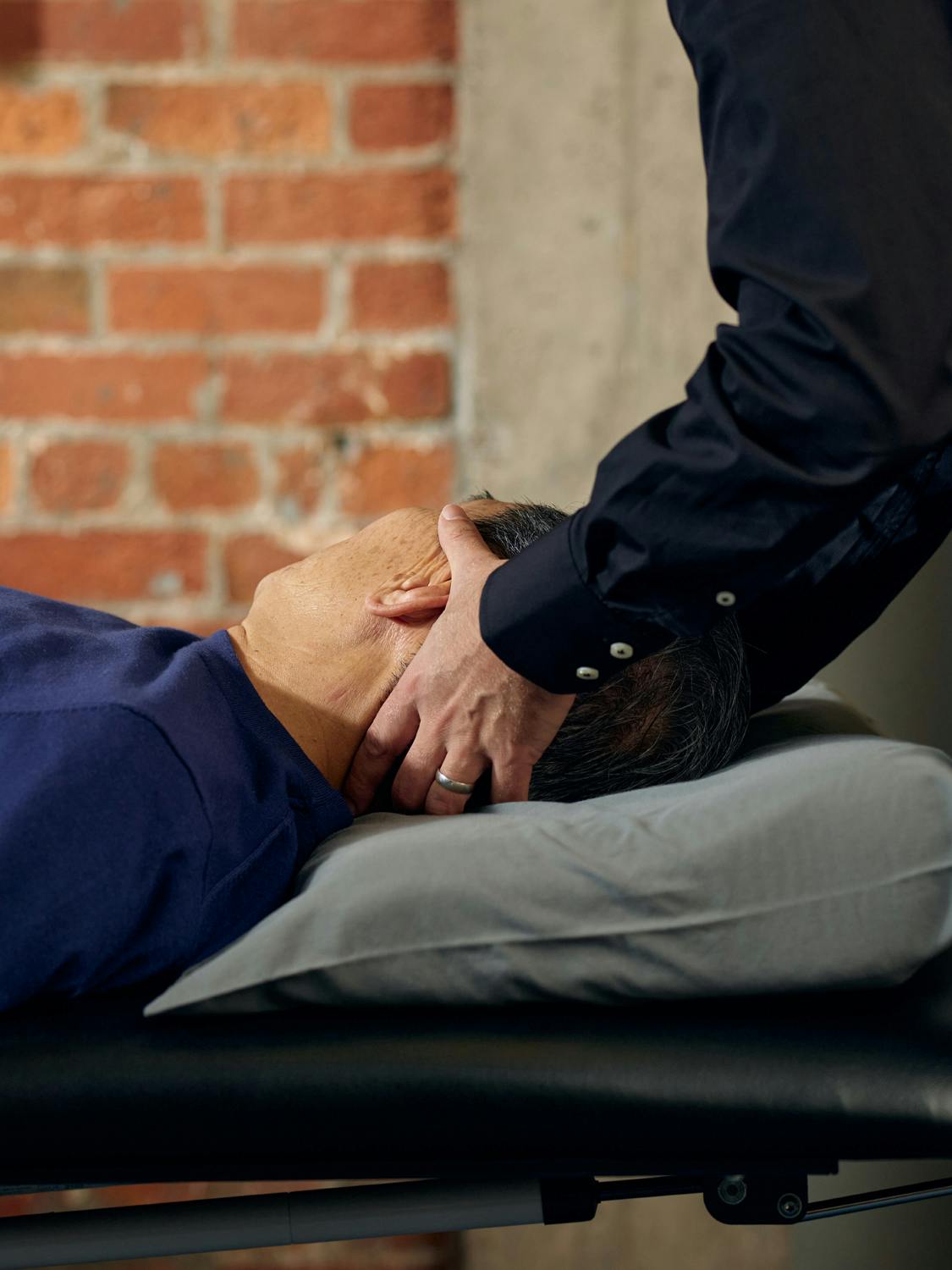
Osteopathic manual treatment for neck, cranial and upper spine issues
-
Education around nutrition, sleep, and lifestyle factors
-
Access to the CCMI Recovery App for symptom tracking and personalised guidance
FAQ's
How long does concussion recovery take?
Most people recover within 30 to 45 days. However, recovery varies depending on factors such as previous injuries, neck involvement, sleep, stress, and early management. Early, evidence-based intervention ideally within the first week, significantly reduces the risk of prolonged symptoms and supports a smoother recovery.
What is Post Concussion Syndrome?
Post Concussion Syndrome (PCS) occurs when symptoms persist beyond the typical recovery period. It usually reflects a nervous system that hasn’t fully recalibrated, rather than ongoing damage. Ongoing headaches, dizziness, fatigue, brain fog, and mood changes are common. With targeted rehabilitation, PCS is highly treatable even months after injury.
When should I see a concussion clinic?
We recommend booking an assessment within seven days of a suspected concussion. Early care reduces the risk of prolonged symptoms. You should also seek support if symptoms last beyond 14 days, worsen, or interfere with work, school, sport, or daily life. It’s never too late to begin recovery.
Can osteopathy help concussion recovery?
Yes, particularly as part of a structured concussion management plan. Concussion often involves the neck and upper spine. Osteopathic treatment can help improve cervical mechanics, reduce headache triggers, and support nervous system regulation. At Bodyworx, osteopathy forms one part of a comprehensive, system-wide approach to recovery.
Book a concussion assessment or baseline testing in Auckland
Whether your concussion happened yesterday, symptoms have been lingering for some time, or you’re looking to establish a baseline for future comparison, we’re here to support you.
We recommend booking a Comprehensive Concussion Assessment after any suspected concussion so we can fully understand what’s happening across all affected systems. From there, we create a personalised recovery plan, which may include osteopathic treatment as part of a broader, integrated approach.
For those wanting to take a proactive approach, baseline testing provides a clear picture of how your brain functions when you’re well — offering valuable comparison data in the event of a future concussion.
If you’d prefer osteopathic treatment only, without undergoing a full concussion assessment or baseline testing, please book a standard osteopathic consultation instead.
No referral is needed. You can book by phone or through our online appointment system.
If you’re booking a concussion assessment, please download and register on the ‘Concussion Tracker’ App and bring your registration number to your initial appointment.